
An eleventh-century work, open for review
The Extraction
of Hidden Waters
How do you find water beneath the earth, measure a mountain, and bring an underground channel to the surface?
A free English reader’s edition, with redrawn diagrams and notes that lead back to the manuscript.
Choose how to read
A practical book from another world.
Al-Karaji moves from signs of groundwater and the qualities of soils to surveying instruments, excavation, and the care of underground water channels. The historical explanations and units remain visible, alongside the uncertainties of the surviving text.
The source
Follow the argument back to the page.
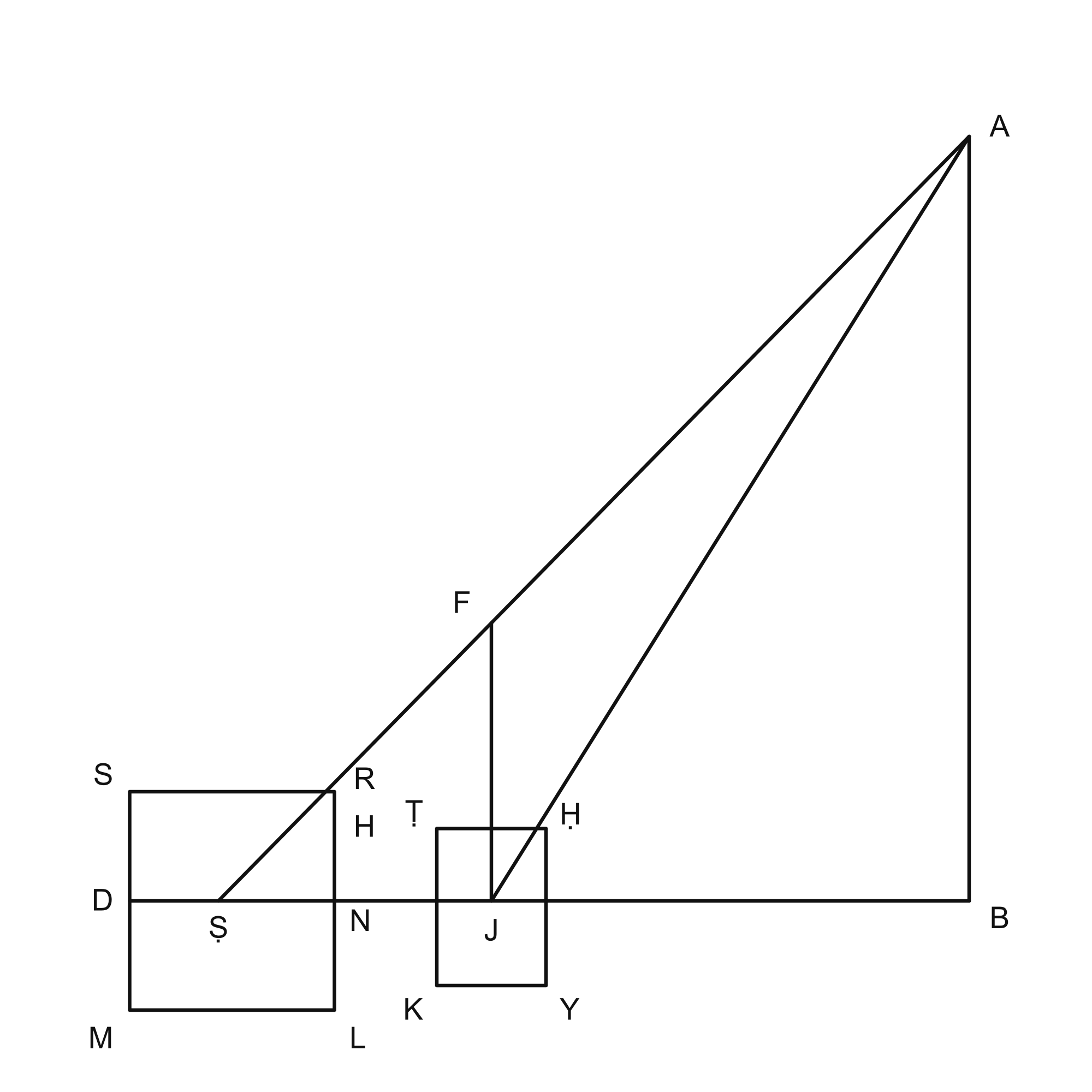
This edition is based on the University of Pennsylvania’s manuscript LJS 399, copied in 1674. Folio references connect the English text with the manuscript; fifteen diagrams have been redrawn for reading.
A clearly separated supplement addresses a textual break using the Hyderabad Arabic edition. It is not presented as a missing leaf recovered from the Penn manuscript.
View the manuscript at Penn →A work in review
Read it with a critical eye.
The English began as an AI-generated working translation. It has undergone selected source comparisons and AI-assisted mathematical checks. Those checks do not establish the accuracy of every passage.
Independent specialist review is still outstanding. Uncertain words, restored instructions, and problematic diagram labels are recorded in the notes. Reader corrections are welcome.
Read the edition’s methods and limits →Help improve the next edition
Where did the text lose you?
A single confusing sentence, a wrong label, or the point where you stopped reading is useful feedback. Please include a page number or manuscript folio and quote the passage you mean.
hiddenwatersbook@gmail.comNo account or form required. Send a note from your usual email app.